What Is a Pushchair?
The term “pushchair” is a bit of a catch-all, as it can refer to anything with wheels that lets you push your baby around.
But when comparing different types of baby gear, a pushchair usually means a full-size, everyday option that can grow with your child from age 0.
Pushchairs are often sturdier and more feature-packed. Many come with multiple recline positions (great for naps on the go), decent suspension to tackle those bumpy pavements, and bigger wheels that can handle a bit more than just flat shopping centre floors.
What Is a Buggy?
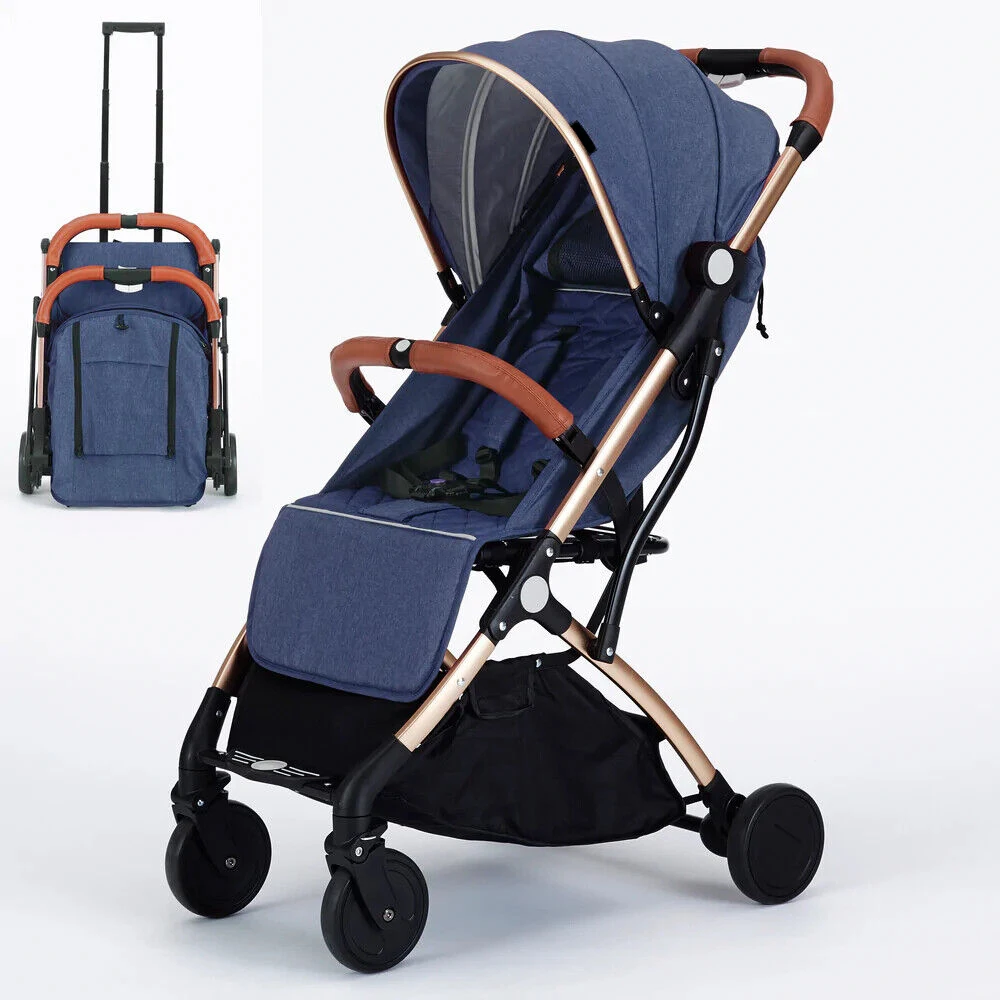
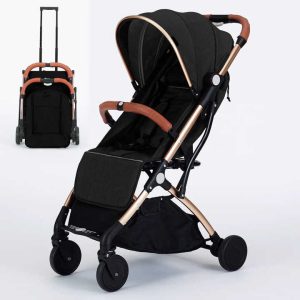
Now onto the buggy, a word that probably feels the most familiar. A buggy usually means a lightweight, fold-down pushchair that’s great for older babies and toddlers.
They’re especially handy to keep in the car as a backup or for those quick trips when you don’t want to lug around your main setup.
A stroller, in other words.
Buggies are generally a bit more stripped back than pushchairs. You might not find as much padding or heavy-duty suspension, but what they lack in extras, they make up for in convenience.
They’re super easy to fold (sometimes even one-handed), manoeuvre, and store. Not to mention, they often come with thoughtful little features like a carry strap, extendable hood, or an underseat basket.
So, Which One Is Right for You?
Now that we’ve cleared what each term means, let’s circle back to the main question: which one do you actually need?
The answer comes down to a few things:
-
Your Baby’s Age
If your baby is a newborn, a pram is your best starting point. Newborns need to lie flat for safe sleep, and prams are designed exactly for that.
Many come with a cosy carrycot you can lift off the frame and bring inside, useful if your baby falls asleep on a walk (which they probably will).
Once your baby can sit up on their own, you’ll likely be ready to switch to a stroller or buggy.
-
Your Lifestyle
If you’re frequently in and out of cars, a stroller or buggy is going to make your life easier. They’re easy to fold, throw in the boot, or carry upstairs if you live in a flat.
If you’re often doing long walks or spending a lot of time outdoors, a full-size pushchair with good suspension and large tyres will serve you well for daily use.
-
Storage Space
Some units can easily take over your hallway or fill up your entire car boot. If space is tight, you’ll want something that folds down neatly, like a stroller or buggy.
If storage isn’t an issue and you like the idea of having a bit more room for your baby, a full-featured pushchair could be just the thing.
Your little one will be comfy, and you’ll have all the extras that make everyday outings a bit easier.
-
Budget
Some parents invest in a travel system: a pushchair frame that works with a carrycot for the newborn stage, a toddler seat for later on, and a car seat that clicks in and out.
It’s a tidy, all-in-one setup, super convenient, and great for long-term use. But it’s also usually more expensive and bulkier.
Others prefer to start with a pram, then pick up a stroller or buggy later, once their baby is sitting up. That way, you’re only spending money on what you need when you need it.
Wrapping Up
Parenting is tricky enough without needing a translator for baby gear. Hopefully, this guide has helped clear up the confusion around pram vs stroller, and where buggies and pushchairs fit into the mix.
If you’re still unsure which one to choose, think about how you’ll be using it most, your baby’s age, your day-to-day routine, and your storage space.
You might even find that you need more than one at different stages. Many parents do!